
Technical library
What you need to know to make a shoot's sound work.
Guides written from the set: how the equipment works, why it fails and which technical decisions change the result. With our own diagrams and links to manufacturer documentation. The guides were originally written in Spanish.
Wireless and RF
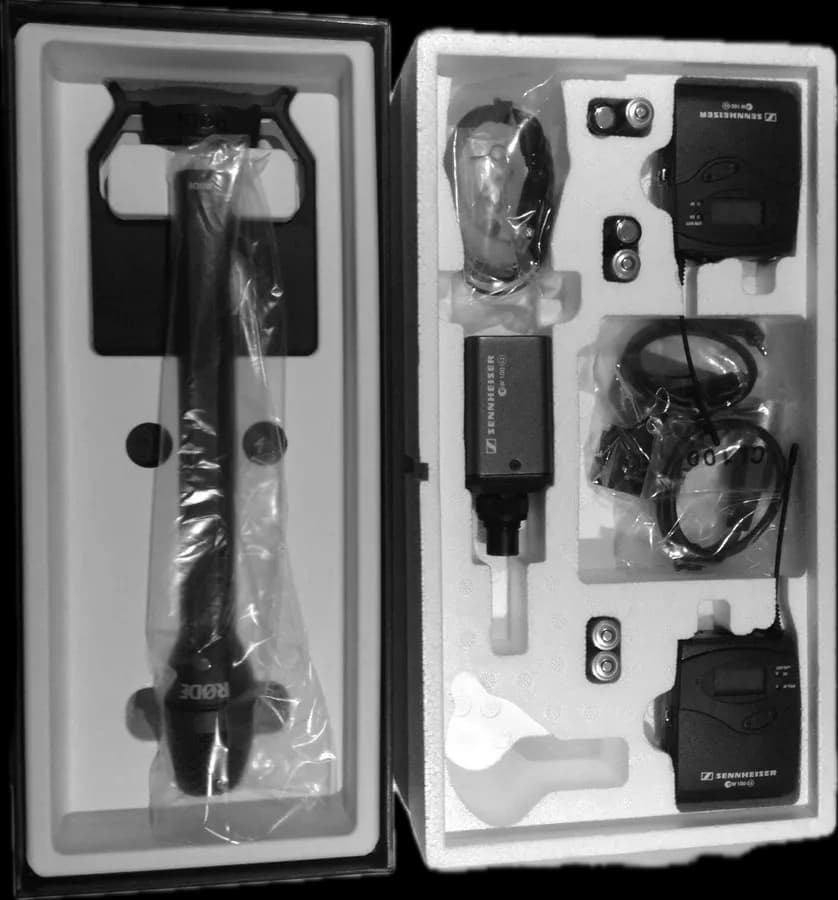
Wireless and RF
How a wireless microphone system works
From microphone to recorder without a cable: what each part of the system does, why the signal drops out and how to set it up so it doesn't.
Beginner · 4 min read
Wireless and RF
RF coordination: UHF spectrum, intermodulation and antennas
Ten microphones, four in-ears and two IFBs at the same location: how to choose frequencies that don't step on each other.
Intermediate · 3 min read
Wireless and RF
Frequency planning in depth: 3rd- and 5th-order intermodulation
With 16 transmitters there are almost 2,000 possible 3rd-order products. This is how to work out which ones matter and build a plan that avoids them.
Advanced · 4 min read
Wireless and RF
Antennas, cables and distribution: the signal budget
More gain isn't more range. How losses and gains add up between the antenna and the receiver, and why the target is 0 dB.
Advanced · 4 min read
Wireless and RF
2.4 GHz vs. UHF wireless: what changes on a shoot
Compact 2.4 GHz systems and production UHF systems solve different problems. Here's what the physics says, and when each one makes sense.
Intermediate · 3 min read
Microphones
Microphones
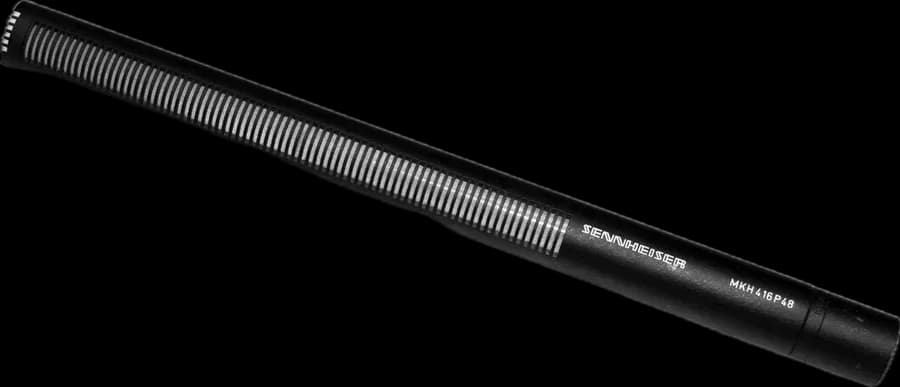
Boom microphones: shotgun, hypercardioid and boom pole technique
The boom microphone is still the foundation of dialogue in film. Which pattern to choose for each location and how to operate it so it sounds natural.
Beginner · 3 min read
Microphones
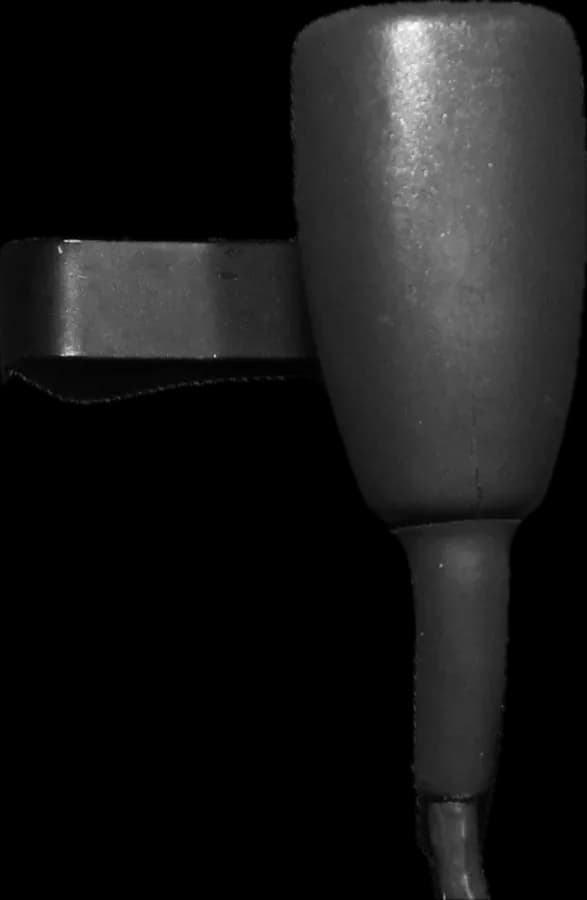
Lavalier microphones: choice, placement and avoiding rustle
The smallest microphone on set and the one that causes the most trouble if placed badly. Positions, fabrics, tape and working with whoever wears it.
Beginner · 3 min read
Microphones
Phase and polarity: boom and lavalier on the same voice
Two good mics on the same voice can sound worse together than apart. The cause is a few milliseconds.
Advanced · 4 min read
Microphones
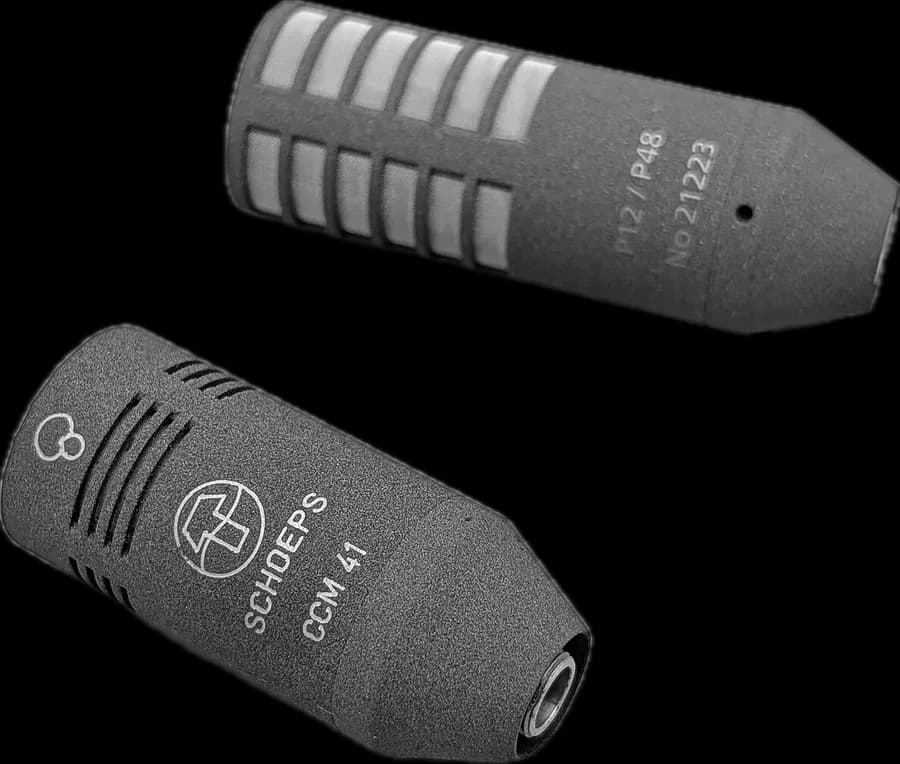
Ambiences and room tone: stereo techniques for location sound
Thirty seconds of silence that save an edit, and how to record ambiences that sound like the location.
Intermediate · 3 min read
Recording
Recording
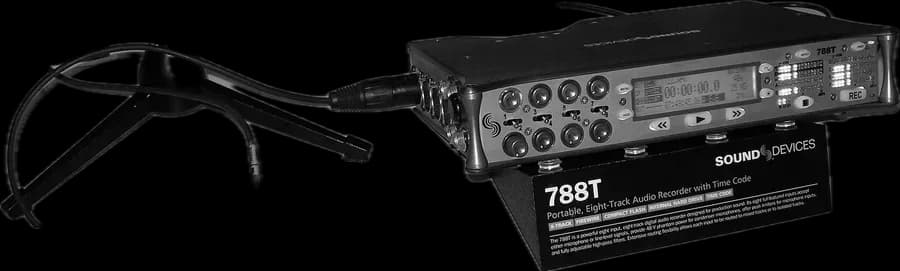
Field recorders: what sets a professional one apart from a basic one
Two recorders can write the same WAV file and still not serve a shoot equally well. What to look for, and when a simple one is enough.
Intermediate · 3 min read
Recording
Levels on set: dBu, dBFS, reference tone and gain
Why a recorder reads -20 when the console reads 0, how to set gain and what 32-bit float really protects.
Advanced · 3 min read
Recording
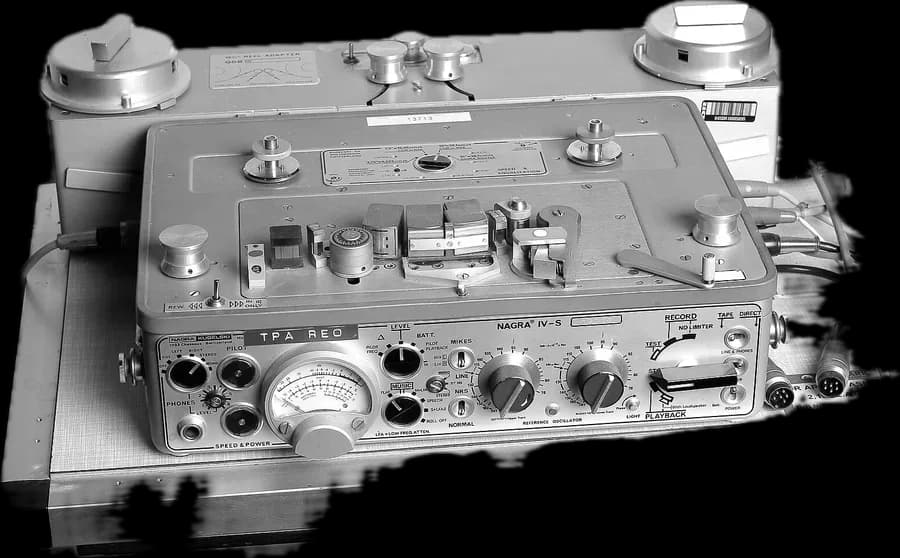
From tape to 32-bit float: the evolution of field recorders
Seventy years of field recorders in one guide: what each generation solved and what we inherit from them on today's sets.
Beginner · 3 min read
Recording
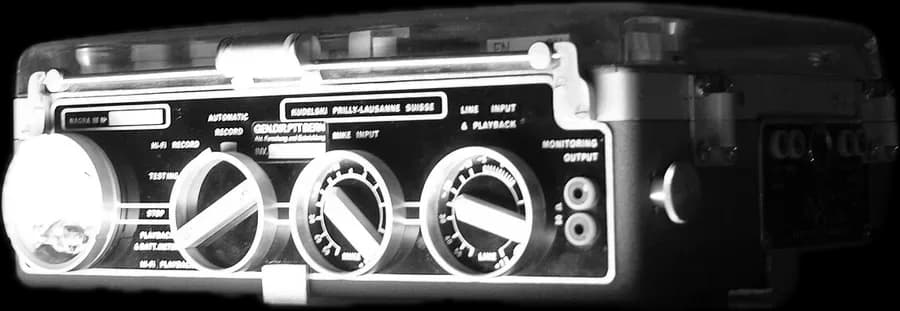
Analog vs. digital in wireless systems, recorders and mixers
“Digital” doesn't automatically mean better. What really changes in latency, noise, dropouts and spectrum.
Intermediate · 3 min read
Networked audio and sync
Networked audio and sync
Timecode on set: how cameras and sound stay in sync
Hundreds of takes from several cameras and a recorder that line up on their own in editing. This is how it's done, and how it goes wrong.
Intermediate · 2 min read
Networked audio and sync
Dante and networked audio: what it is and how it's used on set and live
Dozens of audio channels over a single network cable. How Dante works and what to watch so it doesn't fail.
Intermediate · 2 min read
Does your shoot need this solved on set?
We operate, set up, rent the equipment or advise you before you shoot. Tell us what you're recording.
Request a quote